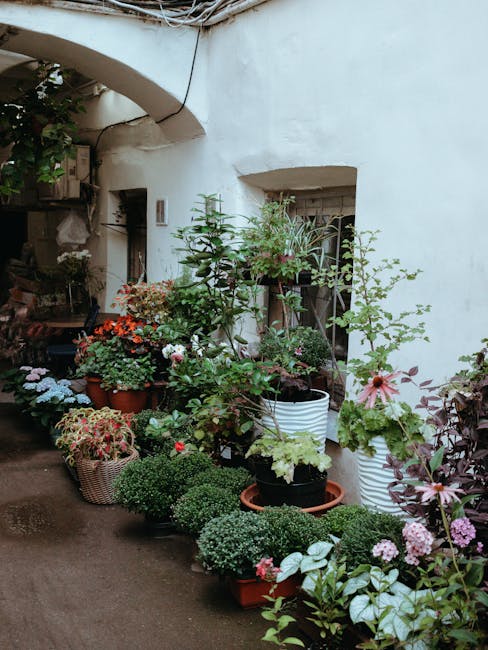
Best gardeners in Hammersmith W6 for small courtyard gardens
If you live in Hammersmith W6 and have a small courtyard garden, you already know the truth: these spaces can be beautiful, but they can also be a bit awkward. Tight access, shade, neighbours looking in, pots that dry out too fast, and just enough room for clutter to build up. The best gardeners in Hammersmith W6 for small courtyard gardens understand that a tiny outdoor space needs more than a quick tidy. It needs careful planning, the right plants, and maintenance that keeps everything looking neat without making the space feel overworked.
That is what this guide is for. We will walk through how to choose a gardener for a compact courtyard, what good work looks like, which mistakes waste money, and how to get a result that feels calm, usable, and genuinely attractive. If you are comparing options, this should help you make a sensible decision without the fluff.
For a broader view of available work and service types, you may also find the services overview useful, and if you want to understand the team behind the work, have a look at the about us page.
Table of Contents
- Why the right gardener matters for small courtyard gardens
- How courtyard gardening services work
- Key benefits and practical advantages
- Who this is for and when it makes sense
- Step-by-step guidance
- Expert tips for better results
- Common mistakes to avoid
- Tools, resources and recommendations
- Law, compliance, standards, and best practice
- Options, methods, or comparison table
- Case study or real-world example
- Practical checklist
- Conclusion
- Frequently asked questions
Why the right gardener matters for small courtyard gardens
A small courtyard is not just a smaller version of a normal garden. It behaves differently. Light bounces, or fails to bounce. Water sits in awkward corners. Plants compete with walls, paving, drainage, and limited soil. In a place like Hammersmith, where many homes have compact back spaces or enclosed front courtyards, the margin for error is tiny.
That is why the best gardeners in Hammersmith W6 for small courtyard gardens are usually the ones who think in layers: structure first, planting second, upkeep third. They do not just "do gardening". They read the space. They notice where moss collects after rain, which corner gets a cold draught, and which pots always dry out by Thursday afternoon. Little things, but they matter.
To be fair, a courtyard can look lovely even when it is very small. You do not need a big lawn or a full border to create something memorable. A good gardener will work with what is already there. Maybe that means using vertical planting to open up floor space. Maybe it means replacing thirsty, high-maintenance plants with more forgiving ones. Sometimes it is as simple as cleaning the paving properly, trimming back one overgrown climber, and suddenly the whole space breathes again. Strange how often that is enough.
Expert summary: In a courtyard garden, the best results usually come from disciplined simplicity. Fewer plant types, better spacing, smarter watering, and regular maintenance almost always beat a crowded, high-drama design.
If you are comparing local providers, trust signals matter too. Read the company's insurance and safety information and look at the health and safety policy if you want reassurance about working practices, especially where ladders, tools, or awkward access are involved.
How courtyard gardening services work
A good courtyard gardening service usually starts with assessment, not action. That may sound obvious, but many disappointing jobs happen because someone turns up with shears and a bag of mulch before understanding the space. A proper approach begins with a look at access, drainage, sun, shade, privacy, storage, and the amount of time you actually want to spend caring for the garden later.
In practical terms, the process often looks like this:
- Initial visit or discussion: The gardener listens to your goals. Do you want low maintenance, more privacy, seasonal colour, or a place to sit with a coffee without feeling boxed in?
- Site assessment: They check soil condition, container health, plant overload, drainage, and whether the paving or walls need attention before planting.
- Plan or tidy-first recommendation: Some courtyards need a hard reset. Others only need pruning, reshaping, weeding, and a better planting rhythm.
- Implementation: This may include planting, pruning, soil refresh, container replacement, edging, pressure-free cleaning of paths, and rearranging the layout.
- Ongoing maintenance: Courtyard gardens tend to look best with light but regular care rather than occasional heavy intervention.
A skilled gardener will also explain what is realistic. Not every shady courtyard will happily support sun-loving herbs. Not every space needs a lot of planting. Sometimes the smartest move is to create breathing room, use one strong focal point, and let the space feel intentional instead of busy.
If you want to compare service packages, the page on pricing and quotes is a sensible place to start. It can help you understand whether you need a one-off tidy-up, a light design refresh, or ongoing garden maintenance. And yes, those are very different jobs, even when they look similar at first glance.
Key benefits and practical advantages
There are a few reasons people in Hammersmith choose specialist gardeners for courtyard spaces rather than a general handyman-style tidy. The big one is judgement. A courtyard asks for restraint. A confident gardener knows when not to plant something, when not to prune too hard, and when a "quick fix" will actually create more mess next month.
- Better use of space: Compact gardens improve fast when every square metre is considered properly.
- Less ongoing work: Smart planting and routine maintenance reduce future hassle.
- Cleaner visual lines: Small spaces look bigger when they are edited carefully.
- Healthier planting: Courtyard conditions can be tough, so plant selection matters more than people think.
- Improved privacy: Climbing plants, screening, and layout can soften overlooked spaces without making them feel shut in.
- More enjoyable day-to-day use: You are more likely to use a garden that feels calm, tidy, and deliberate.
There is also a practical financial advantage. A small garden that is managed properly often avoids avoidable replacement costs. Replacing dead plants every few months gets old quickly. So does re-laying the same tired pots because nobody chose the right soil mix in the first place. A decent gardener helps you spend once, properly, rather than repeatedly patching things up.
And let's be honest, a good courtyard can lift the whole house. You notice it when you open the back door in the morning. Even on a grey London day, a neat, green corner feels better than a cluttered one.
Who this is for and when it makes sense
This kind of service is ideal if you have a courtyard, patio, or very small back garden that is not performing as well as it should. It is especially relevant if you live in a terrace, flat, mews property, or converted building where access is tight and the outdoor area has to work hard.
You may be the right fit if:
- the space looks messy faster than you can keep up with it;
- plants are dying because the conditions are wrong;
- you want the garden to feel more private;
- you need a space that is tidy enough for entertaining;
- you are preparing a property for sale or letting;
- you know the garden has potential but do not know how to unlock it;
- you simply do not have time to manage it properly.
It can also make sense if you have inherited a courtyard that has been neglected for months, maybe even years. Those are the spaces that look intimidating at first, then oddly satisfying once they are sorted. A bit like clearing out a shed. Not glamorous, but deeply satisfying.
If you need help choosing the right service path, the team's services overview can help you map what you need against what is actually offered. That saves time and avoids paying for a bigger job than necessary.
Step-by-step guidance
If you want a courtyard garden to look good and stay good, the process needs a bit of structure. Here is a sensible way to approach it.
1. Define the main purpose of the space
Ask yourself what matters most. Seating? Privacy? Colour? Low maintenance? A dog-friendly surface? Seasonal planting? The answer changes everything. A courtyard designed for morning coffee should not be planned the same way as one meant to be a lush, green retreat.
2. Measure the usable area
In small gardens, a few centimetres matter. A good gardener will not just eyeball it and hope. They will consider furniture clearance, gate swing, access to taps, and whether the planting plan leaves enough walking room.
3. Deal with the bones first
Before adding plants, sort the basics: weeding, pruning, dead material removal, paving clean-up, drainage issues, and broken containers. If the foundations are messy, new plants can look lost very quickly.
4. Choose a compact, layered planting scheme
The best courtyard planting plans usually mix structure, texture, and a few seasonal highlights. Think evergreen framework, one or two statement plants, and softer filler planting. Avoid cramming in too many different varieties. It can get noisy visually. Fast.
5. Use containers intelligently
Containers are often the backbone of small courtyard design. They add height, flexibility, and drama without demanding permanent ground planting. But they must be chosen carefully. Bad drainage or tiny pots can undo a lot of effort.
6. Plan maintenance from the start
This is where many people get caught out. A courtyard that looks lovely on day one can become awkward by month three if maintenance needs were never considered. Ask what regular upkeep will look like through spring, summer, and winter.
7. Review after the first season
Small gardens teach quickly. Some plants will thrive, others will sulk. That is normal. A gardener with experience will adjust the plan, not blame the weather for everything. Well, not every time anyway.
Expert tips for better results
Here are the little things that often separate an average courtyard from one that feels properly designed.
- Think vertical: Walls, trellises, and climbers free up precious floor space.
- Repeat materials: Using a small number of pot styles or paving tones creates calm.
- Choose resilient plants: Courtyards can be windy, shady, dry, or oddly damp. Tougher plants tend to win.
- Use scale carefully: One large pot often looks better than several tiny ones scattered around.
- Leave negative space: Empty space is not wasted space. It helps the garden feel bigger.
- Protect the soil: In containers, soil quality and mulch matter a lot more than people expect.
- Prune for shape, not panic: Over-pruning can make a small garden look stripped bare.
A practical example: if your courtyard gets only a few hours of light, it is usually better to build a strong shade-tolerant scheme with texture and foliage interest than to fight the site with sun-loving flowers that keep failing. That kind of site honesty saves money and stress.
One more thing. Ask the gardener how they would keep the space tidy between visits. If their answer is vague, that is a clue. A good garden is not just made once; it is maintained in a way that suits the space and the person living in it.
Common mistakes to avoid
Small courtyard gardens are easy to overcomplicate. In fact, that is probably the most common issue.
- Buying too many different plants: Variety is good, but too much of it creates visual noise and maintenance headaches.
- Ignoring drainage: Courtyards often trap water. Wet roots are a common cause of decline.
- Choosing the wrong container size: Tiny pots dry out quickly and can stunt growth.
- Forgetting access: A beautiful layout is not much use if you cannot reach the tap or move a chair comfortably.
- Using plants that outgrow the space: Fast-growing climbers and shrubs can dominate a courtyard sooner than expected.
- Skipping ongoing care: Even "low maintenance" gardens need a little attention. Low maintenance is not no maintenance.
- Prioritising instant impact over long-term shape: A courtyard that looks good for two weeks and messy for the next ten months is not a win.
Another common issue is choosing a gardener who is great with larger suburban gardens but less familiar with tight London courtyards. The work sounds similar from a distance, but it is really not. In a compact space, one overzealous cut can change the whole feel of the garden.
Tools, resources and recommendations
You do not need a van full of specialist kit to maintain a courtyard properly, but the right tools do make a difference. For the homeowner, a simple, well-chosen setup is often enough. For the gardener, it is about using tools that suit tight access and delicate planting.
Useful basics for courtyard maintenance
- sharp hand pruners for tidy cuts;
- a small rake or hand fork for containers;
- watering can or efficient hose access where possible;
- gloves that allow control, not just bulk;
- quality compost and mulch appropriate to the planting scheme;
- container drainage checks after wet weather;
- a simple seasonal care schedule.
For customers comparing providers, the recycling and sustainability page is worth a look if you care about green waste handling and responsible disposal. It is a small detail, but a meaningful one, especially when an old courtyard refresh produces a surprising amount of cuttings and soil waste.
If you prefer a transparent working relationship, you might also want to review payment and security so you know what to expect around invoices, payment methods, and general handling of customer information. Not glamorous, true, but reassuring.
Law, compliance, standards, and best practice
Garden work in a private domestic setting is not usually highly regulated in the way some trades are, but there are still sensible standards to look for. The important thing is not to overstate the legal side. Instead, look for ordinary good practice done properly.
That includes safe tool use, sensible access arrangements, care around fragile surfaces, and proper handling of waste and materials. If work is taking place at height or with power tools, the gardener should be able to explain how they manage risks in a straightforward way. They should also be clear about insurance, which is one of those boring topics that becomes very interesting the moment something goes wrong.
A few best-practice points to keep in mind:
- Clarity on scope: Know exactly what is included in the job.
- Insurance: Check that the provider can confirm appropriate cover for the work undertaken.
- Health and safety: Good operators think about slips, tools, trip hazards, and safe access.
- Respect for neighbours: Important in dense London settings, especially where shared walls, noise, or waste movement are involved.
- Environmental care: Waste reduction and responsible disposal matter more than most people realise.
If you want to understand how a provider approaches these issues, the insurance and safety and health and safety policy pages are useful trust signals. For general service terms, the terms and conditions page can also help set expectations before you book.
Options, methods, or comparison table
When choosing the best approach for a courtyard, the main decision is usually between a one-off transformation, a light refresh, or recurring maintenance. Each has its place. The right one depends on what you are starting with and how much time you want to spend after the work is done.
| Approach | Best for | What it includes | Typical outcome |
|---|---|---|---|
| One-off courtyard tidy-up | Overgrown or neglected spaces | Weeding, pruning, waste removal, reset of containers and visible surfaces | Fast improvement, cleaner base to build on |
| Design-led refresh | Spaces that function but feel dated or cluttered | Plant selection, layout changes, container replacement, structure improvements | More cohesive, better-looking garden with a stronger style |
| Regular maintenance | Courtyards that already look good but need consistency | Seasonal care, pruning, deadheading, checks for health and presentation | Garden stays tidy and healthy over time |
| Full makeover | Severely tired or impractical courtyards | Reset of planting and layout, surface repairs, structure changes, long-term plan | Most dramatic change, but usually the highest input |
In real life, many people start with a one-off tidy-up and then move into regular maintenance once they can see what the space wants. That is often the most sensible route. No need to overthink it.
Case study or real-world example
Here is a realistic example, based on the kind of situation many Hammersmith homeowners face.
A compact courtyard behind a terraced property had become a mix of tired pots, patchy climbers, and a few plants that were simply in the wrong place. The space was technically usable, but it felt crowded and a bit gloomy. The owners wanted somewhere they could open the back door to without feeling irritated, which, to be fair, is a fair ask.
The work began with clearing dead growth, checking drainage, and removing containers that had cracked or become too small. Then the layout was simplified. A couple of statement pots were kept, some climbers were trained more carefully, and the planting mix was adjusted so the space had shape through winter rather than disappearing into a pile of bare stems.
The biggest difference was not dramatic in a flashy way. It was calmer. Easier to look after. Better to sit in. The owners stopped thinking about the garden as a problem and started using it as a room, which is really the whole point of a courtyard, isn't it?
When a space like that is well handled, it usually stays useful with only light attention each month. That is the kind of result you want from the best gardeners in Hammersmith W6 for small courtyard gardens: not just a photo-worthy finish, but something that still works on a wet Tuesday in November.
Practical checklist
Use this checklist before hiring a gardener or booking a courtyard refresh.
- Do they understand small-space garden design, not just general gardening?
- Have they asked about shade, access, privacy, and how you use the space?
- Do they explain what will happen to waste and cuttings?
- Can they describe the maintenance your garden will need after the job?
- Are they clear about pricing, scope, and any optional extras?
- Do they offer sensible advice rather than pushing unnecessary work?
- Have they shown awareness of safety, insurance, and proper working practice?
- Can they handle both tidy-ups and longer-term improvement work?
- Do their recommendations fit your actual lifestyle, not just a magazine image?
- Do you feel confident you could call them back if something needed adjusting?
If you are still comparing providers, it helps to review the company's contact us page and make an initial enquiry with a few details about your space. A short message with photos, if possible, usually gets you a more useful response. Saves everyone time.
Conclusion
Choosing the best gardeners in Hammersmith W6 for small courtyard gardens is really about finding someone who understands scale, restraint, and the realities of London outdoor spaces. A good courtyard gardener should make your space easier to use, better to look at, and simpler to maintain without turning it into an overdesigned showpiece.
Look for clear thinking, practical suggestions, proper safety awareness, and a willingness to work with the garden you actually have. Not the garden you wish you had, but the one outside your back door right now. That is where the best results come from.
If you want to learn more about the people behind the service, start with the about us page, then explore the services overview and pricing and quotes information before you decide what kind of help you need.
Get a free quote today and see how much you can save.
And if your courtyard has been quietly bothering you for months, that is usually the sign it is time to do something about it. Small spaces can become lovely places. Honestly, they often do.
Frequently Asked Questions
What should I look for in a gardener for a small courtyard garden in Hammersmith W6?
Look for someone who understands compact spaces, drainage, container planting, pruning discipline, and low-maintenance design. In a courtyard, practical judgement matters more than flashy promises.
How often does a small courtyard garden need maintenance?
That depends on the planting and how quickly the space grows in. Many courtyards benefit from light monthly care, with extra attention in spring and summer. Some need weekly watering in warmer spells.
Can a courtyard garden still look good if it has very little sunlight?
Yes. Shade-tolerant planting, better structure, and thoughtful use of pots can make a dark courtyard feel calm and attractive. The key is choosing plants that suit the conditions rather than fighting them.
Is a one-off tidy-up enough for an overgrown courtyard?
Sometimes. If the space is mainly messy rather than fundamentally flawed, a one-off reset can make a big difference. If the layout or planting is wrong, you may need a deeper refresh to get lasting results.
Do small courtyard gardens cost less to maintain than bigger gardens?
Usually, yes, but not always in a straight line. Small spaces can still be fiddly, and tight access takes time. The overall cost depends on the amount of pruning, planting, waste removal, and follow-up care needed.
What plants work best in a courtyard garden?
That depends on sun, shade, wind, and how much watering you want to do. Evergreen structure, strong foliage, and well-chosen seasonal plants are often a good starting point. A proper gardener should recommend plants based on your site, not just favourites.
How do I know if a gardener is good with small spaces?
Ask how they would use vertical planting, containers, and negative space. If they talk mainly about mowing and large borders, they may not be the right fit for a courtyard.
Should I choose design advice or just maintenance?
If the garden already works but looks tired, maintenance may be enough. If it feels awkward, crowded, or hard to use, some design input can be very worthwhile. Often, a mix of both is best.
Do I need to worry about insurance when hiring a gardener?
Yes, it is sensible to ask. A reputable gardener should be able to explain their insurance and safety approach clearly. That matters more than people think, especially when tools, ladders, or delicate surfaces are involved.
How can I make a courtyard feel bigger?
Use fewer materials, keep the layout simple, add vertical planting, and avoid overcrowding the floor space. A clean line of sight helps a lot. So does keeping the space tidy, which sounds obvious, but it really is half the battle.
Can I ask for sustainable waste disposal from my gardener?
Absolutely. It is reasonable to ask how green waste, prunings, and old materials will be handled. If sustainability matters to you, review the provider's approach to the recycling and sustainability side of the service.
How do I get an accurate quote for courtyard gardening?
The best quotes usually come from a clear description of the space, photos, and a short explanation of what you want done. The more specific you are, the better the estimate will be. If you are ready to compare options, use the contact us page to start the conversation.